Meta-aramid fabric, woven and knitted (100% aramid 1313)
100% meta-aramid (aramid 1313) · Woven and knitted · Custom weight 90 – 600 g/m² · Plain, twill, ripstop, jersey, rib, interlock
Our 100% meta-aramid fabric family covers both high-performance woven shells and soft knitted layers from 90 to 600 g/m². Inherently flame resistant, non-melting, and comfortable next to skin for protective workwear, firefighting station wear, and high-temperature thermal insulation.
- Woven and knitted constructions covering 90 – 600 g/m²
- Styles: plain weave, twill, ripstop, single jersey, 1x1 rib, interlock, mesh
- Inherently flame resistant — does not melt or drip; LOI 28–32; OEKO-TEX certified
Application scenarios
Where meta-aramid fabric is used · In-service performance
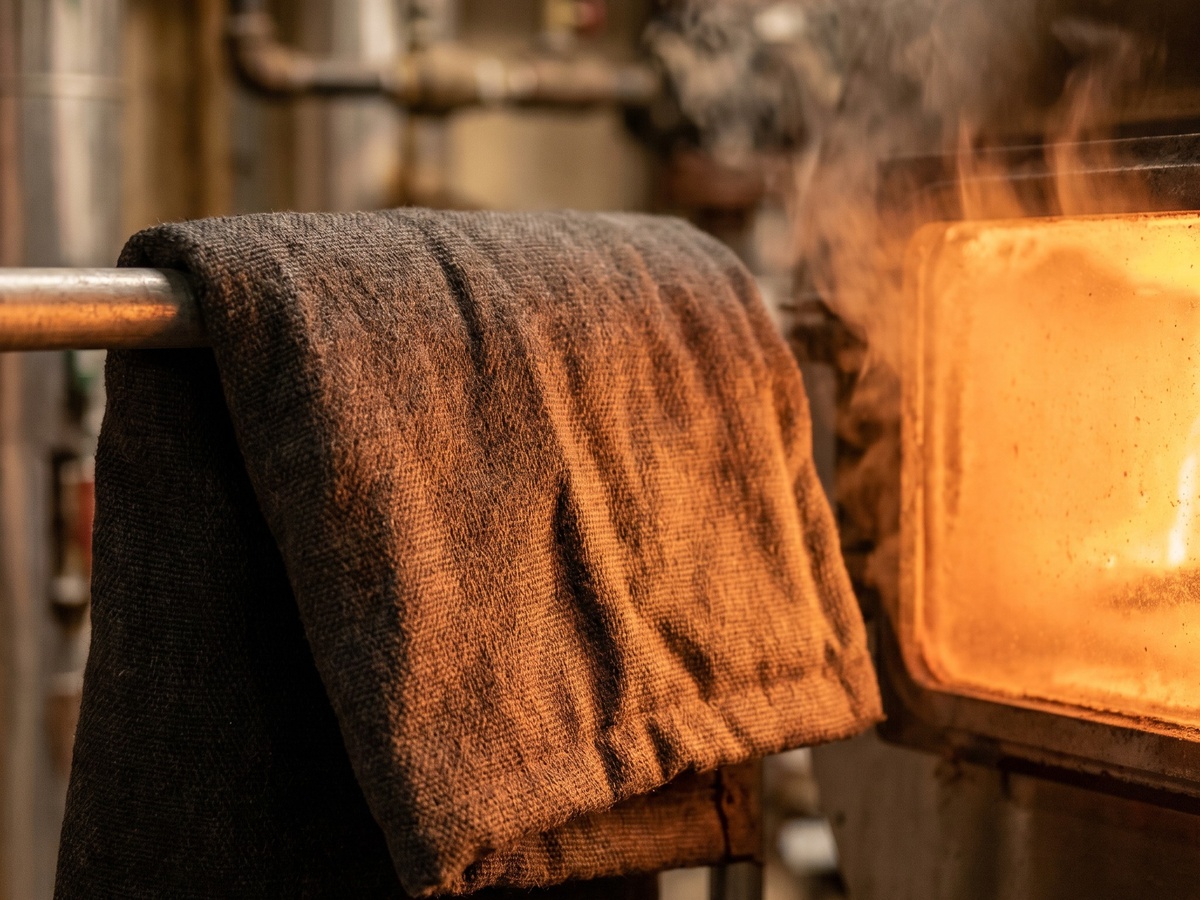
Meta-aramid (aramid 1313) is an inherently flame-resistant fibre: the flame resistance belongs to the polymer itself rather than to a chemical finish, so laundering, dry cleaning and abrasion cannot take it away. Exposed to flame, it does not melt or drip — it chars and builds a carbonised barrier that shields the wearer. Its limiting oxygen index is 28–32, so it self-extinguishes in air.
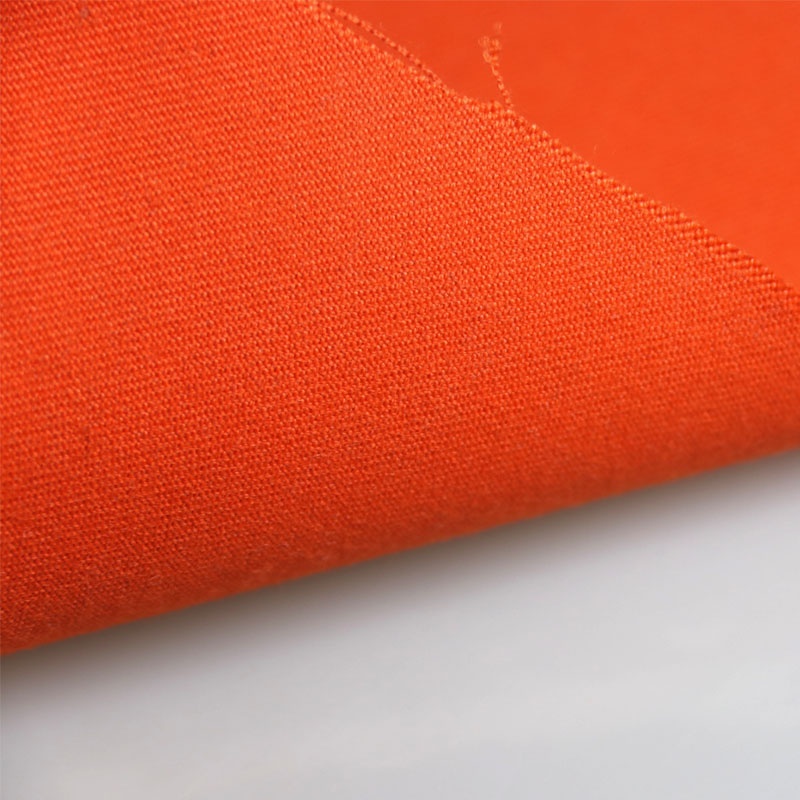
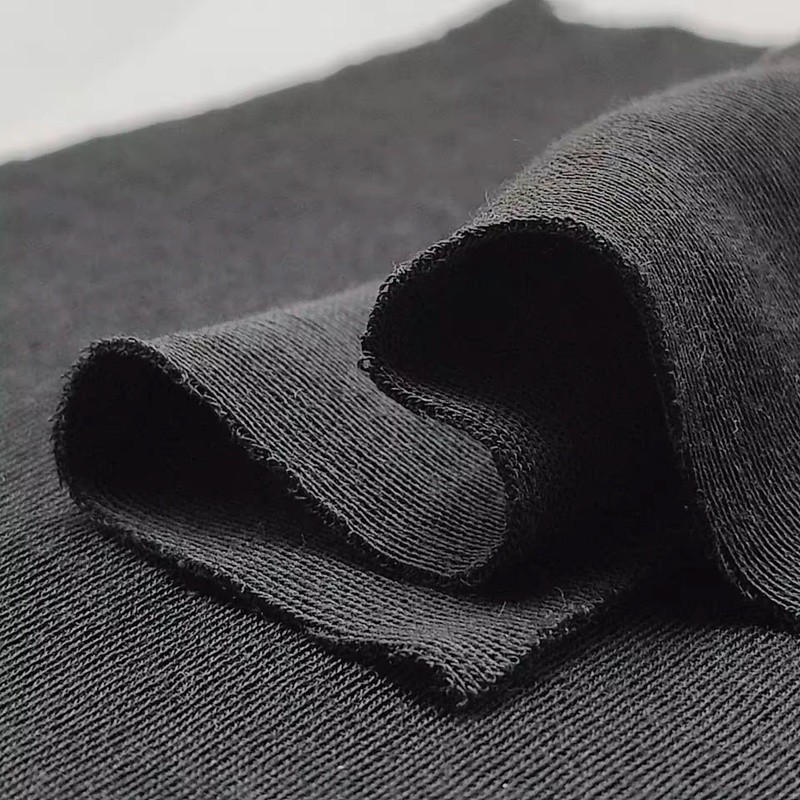
Woven fabrics provide durable, tear-resistant outer shells for industrial workwear, flight suits, and flame-retardant uniforms. Soft knitted fabrics provide breathable next-to-skin balaclavas, underwear, and hood linings.
Who makes it
Who makes the fabric
Our textile manufacturing roots go back to 1972 and the company was established in Shantou, Guangdong in 2002. The meta-aramid in this cloth is spun and converted in a 30,000 m² integrated plant, so fibre, yarn and woven fabric come from one production chain rather than from a trader.
This page covers the 100% meta-aramid woven and knitted class as a whole. Weight, structure and shade are set with the order against the garment the cloth is going into.
Technical data
Product information
The 100% meta-aramid woven and knitted fabrics we produce, model by model. From our verified product catalog.
| Model | Color | Width | Weight | Composition | Standard / Yarn count |
|---|---|---|---|---|---|
| MD-K011-4.2 | Raw white | 1.6 m | 220 g/m² | 100% Meta-aramid | EN 11612, NFPA 2112 · Ne 40s/1 |
| MD-K011-6 | Raw white | 1.9 m | 180 g/m² | 100% Meta-aramid | EN 11612, NFPA 2112 · Ne 60s/1 |
| MD-K011-9 | Black (dope-dyed) | 1.5 m | 260 g/m² | 100% Meta-aramid | EN 11612, NFPA 2112 · Ne 30s/1 |
| MD-K011-10 | Black (dope-dyed) | 1.6 m | 180 g/m² | 100% Meta-aramid | EN 11612, NFPA 2112 · Ne 40s/1 |
| MD-K011-12 | Raw white | 1.42–1.45 m | 300 g/m² | 100% Meta-aramid | EN 11612, NFPA 2112 · Ne 20s/1 |
| KS-19 | Raw white | 1.5 m | 220 g/m² | 100% Meta-aramid | EN 11612, NFPA 2112 · Ne 32s/1 |
| KS-89 | Raw white | 1.5 m | 200 g/m² | 100% Meta-aramid | EN 11612, NFPA 2112 |
Meta-aramid knitted fabric series (针织间位芳纶系列)
| Model | Color | Width | Weight | Composition | Application / Remark |
|---|---|---|---|---|---|
| MD-W011-3 | Raw white | 1.0 m | 160 g/m² | 100% Meta-aramid | Heat resistant, silicone reinforcement |
| F-WTM165-145 | Raw white | 1.45 m | 165 g/m² | 100% Meta-aramid | Heat resistant, reflective material backing |
| J-WPM135-90 | Raw white | 0.9 m | 135 g/m² | 100% Meta-aramid | Heat resistant, silicone reinforcement |
| J-WPM120-90 | Raw white | 0.9 m | 120 g/m² | 100% Meta-aramid | Heat resistant, silicone reinforcement |
| J-WPM90-90 | Raw white | 0.9 m | 90 g/m² | 100% Meta-aramid | Heat resistant, silicone reinforcement |
Meta-aramid woven & mesh base fabrics (梭织与网眼间位芳纶系列)
Values are measured per production lot — ask our technical team for the batch data of the weight, weave and color route you plan to use.
Made to order
Specification options
Weight, structure and shade are set with the order. Custom weight capability spans 90 to 600 g/m² across woven and knitted lines.
Meta-aramid is dyeable, and the woven constructions in this class are supplied dyed: navy and blue are the shades our product records name for the ripstop and twill constructions, and dope-dyed yarn is used where the shade has to sit in the fibre rather than on it. A full shade card is not held for the class, so the colour chips are not printed here. Send the shade reference your programme uses and we will confirm it against the dyehouse before the order is placed.
Standards and certification
This cloth is supplied on material-level data. The items below are the ones we can stand behind for the class today; the fabric-level routes are named in the note, and none of them is printed above as a held result.
- OEKO-TEX® STANDARD 100 Textiles tested for harmful substances. Our fabric certificate covers woven and knitted fabric made from the fibres in its certified list — meta-aramid (raw white) among them — at Product Class II. The certificate covers the certified fibre and form list rather than a single model.
- ISO 9001 Quality management system.
- IATF 16949 Automotive quality management system, certified for the manufacture of polyester and aramid cloth at our Shantou plant.
- REACH SVHC Declaration available on request for the article supplied.
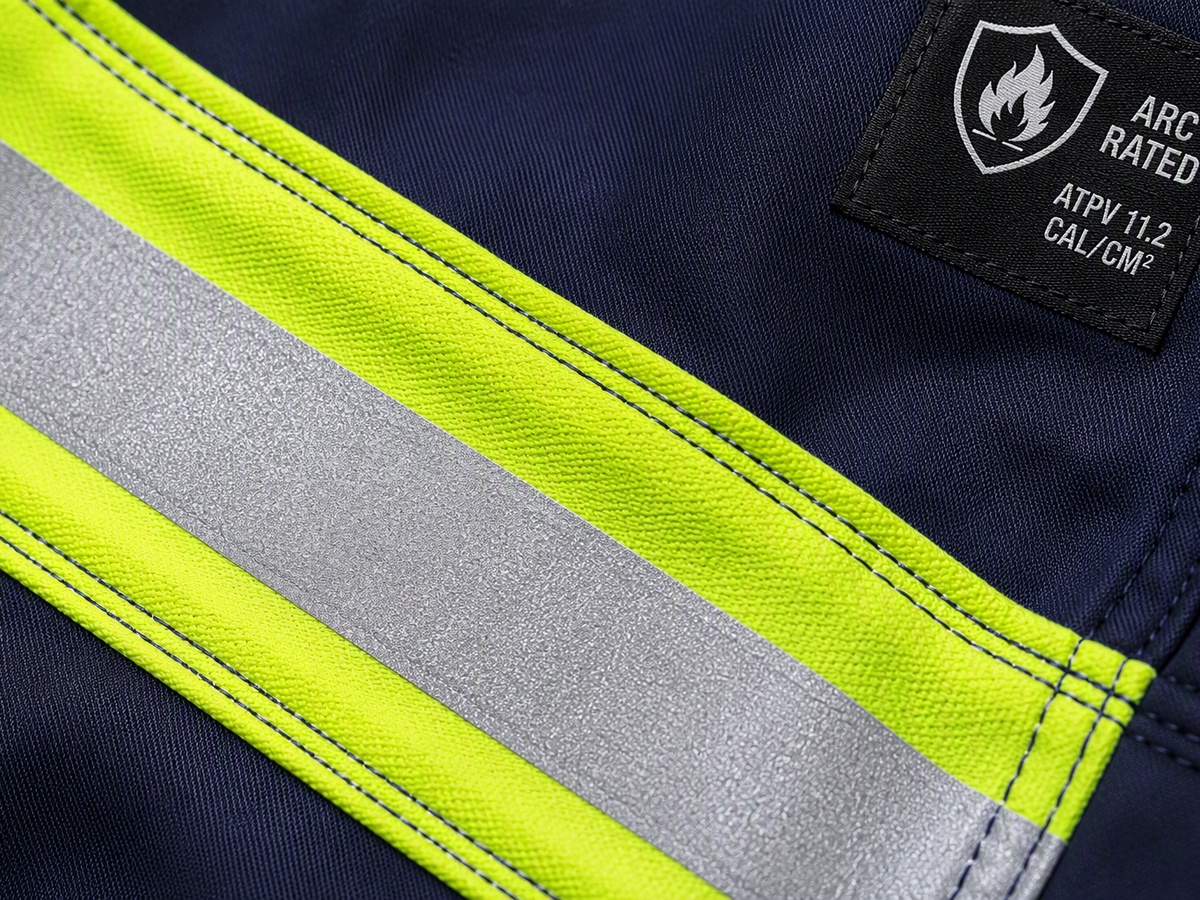
The fabric-level routes for this class are EN ISO 14116:2015, the material-level flame-spread route; EN ISO 15025:2016; EN ISO 11612:2015 and EN ISO 11611:2015 taken at fabric level and reported with their performance codes; EN IEC 61482-1-1:2019 for an arc rating issued as material data; the ASTM material route of ASTM F1506-22 with ASTM D6413 and ASTM F1959; and NFPA 2112 material testing. Each of those is arranged to the customer's requirement and reported for the production lot, and we hold no report for a construction of this class, so no grade is printed here. Standards written for a finished garment — EN ISO 11612 and NFPA 2112 among them — are assessed on the garment, and that assessment and its certification belong to the garment maker who builds on our material data. Test reports and certificate copies are available from our sales team on request.
Frequently asked questions
What is 100% meta-aramid fabric used for?
It is the woven shell and reinforcement layer of protective workwear: garments for fire, heat and electric-arc programmes, and industrial workwear where a non-melting outer layer is required. It is bought as fabric by garment makers, who cut, sew and certify the finished article. We supply the cloth and its material-level data, and the garment assessment belongs to the maker who builds on it.
Can the flame resistance be washed out?
No. The flame resistance of meta-aramid is a property of the polymer itself rather than a finish applied to the cloth, so there is nothing in the fibre for laundering to remove: industrial washing, dry cleaning and abrasion cannot take it away, and the fabric does not need a flame-retardant treatment to be reapplied after cleaning the way a treated cotton does. We do not publish a wash-cycle figure without test data for the construction and the cleaning route, so the number that applies to your specification is confirmed against the test report for the production lot.
What weights and structures can you weave?
The class runs from 90 g/m² to 600 g/m², woven plain, twill or ripstop, in 100% meta-aramid (aramid 1313). Antistatic-yarn versions are recorded at 210 g/m² as a dope-dyed navy ripstop and at 150 g/m² as a dyed twill. Tell us the garment weight you need and the structure your cutting line prefers, and we confirm the construction against it. Fabric width is set with the order.
What service temperature does the cloth hold?
Meta-aramid is used continuously at around 250 °C and only begins to decompose above 370 °C, and it does not melt. Those are the fibre figures we publish, and we do not quote a higher service temperature for the cloth. Where the temperature is critical to a garment design, ask for the material data for the lot so it can be checked against your own assessment.
Can the fabric be dyed, and in which shades?
Yes, with a limit worth knowing. Meta-aramid is hard to dye: the dye has to be forced into a highly crystalline fibre under high temperature and pressure, so the shade range is narrower than for a cotton or a modacrylic and the dyehouse matters. Navy and blue are the shades our records name for the constructions on this page, and dope-dyed yarn is used where the shade has to be permanent in the fibre. A full shade card is not held for the class.
Does the fabric hold a protective-clothing certification?
No, and we do not present it that way. What we supply is fabric-level material data. The standards that apply to this class are applied by testing the fabric and reporting its performance codes, and the certification of a finished garment belongs to the garment maker who builds on that data. Where your approval file needs a standard-referenced result on the cloth, we arrange the testing to your requirement and issue the report for the production lot.
Is meta-aramid fabric hot to wear, and does it breathe?
The fibre is chosen for the heat it has to take, and a woven protective shell is dense by design, so a meta-aramid garment can feel warm in still air — that is a construction question more than a fibre question. Meta-aramid has a moisture regain of 4–5%, several times that of polyester, so it buffers moisture and builds less static than a polyester or olefin shell. Where comfort decides the choice, the build is what moves it: a knitted next-to-skin layer, a lighter woven shell, or a ventilated design. Tell us the duty and the garment layer and we will confirm the weight that fits it.
Should I choose woven or knitted meta-aramid fabric?
It depends on which side of the garment the cloth sits on. Woven cloth gives dimensional stability, tear strength and abrasion resistance, which is what an outer shell needs. Knitted cloth gives stretch, drape and next-to-skin comfort, which is what a hood lining, a balaclava or an underwear layer needs. This class covers both: woven plain, twill and ripstop, and knitted single jersey, rib and interlock. Tell us whether the layer is an outer shell or a next-to-skin layer and we will match the structure to it.
EN ISO 11612 or NFPA 2112 — which applies to my market?
They are different systems for the same hazard, and the market your garment is sold into decides which one it is built to. EN ISO 11612 is the European standard for clothing protecting against heat and flame; it reports performance as codes for the specific hazards — surface and edge flame spread under ISO 15025, convective heat under ISO 9151, radiant heat under ISO 6942, molten-metal splash and contact heat — so the code tells a buyer which hazards the garment was actually assessed against. NFPA 2112 is the American standard for flash-fire protection of industrial personnel, assessed on the garment and reported as a predicted burn-injury result. Both are garment-level assessments and the certification belongs to the garment maker who builds on our material data.
Can one fabric be taken through both the EN and the NFPA route?
Yes, because the routes are decided by the garment rather than by the fabric. What we supply is material-level data: composition, weight, structure and the fibre properties of the lot. The fabric-level routes for this class are EN ISO 14116, EN ISO 15025, EN ISO 11612 and EN ISO 11611 taken at fabric level, EN IEC 61482-1-1 for an arc rating issued as material data, and the ASTM route of ASTM F1506 with ASTM D6413 and ASTM F1959 — each arranged to the customer's requirement and reported for the production lot. Where your approval file needs a standard-referenced result on the cloth, name the route and we will arrange it.
How do I choose the fabric weight for the duty?
Read the weight against the hazard and the garment layer rather than on its own. In the models recorded on this page a light construction such as the 90 g/m² base is bought as a lining, a hood inner layer or a reinforcement, while the 260–300 g/m² constructions are bought as the outer shell of workwear that has to hold its own against abrasion, radiant heat and repeated laundering. A heavier cloth carries more thermal barrier and more tear strength; a lighter cloth drapes better and keeps the garment wearable. Tell us the hazard, the garment layer and the standard you are building to, and we will confirm the weight and the structure against it.
Can meta-aramid fabric be made antistatic?
Yes, by building a conductive yarn into the cloth rather than treating the surface. Conductive-fibre constructions are recorded in this class at 210 g/m² as a dope-dyed navy ripstop and at 150 g/m² as a dyed twill, and the conductive component is spun into the yarn, so the path is in the cloth rather than on it. Antistatic performance is an end-use property assessed on the garment or the assembly, and the route that applies in your market is arranged to the customer's requirement and reported for the lot.
Let’s talk about your fabric requirements
Tell us the application, the required weight and the standard you need to meet. Our technical team will come back with a matching fabric, the spec sheet and a quotation.